

Quick Summary
CoolSculpting is a non-invasive fat reduction treatment that does not require surgery, anesthesia, or downtime, making it a practical option for adults with stubborn stomach fat and good skin elasticity. A tummy tuck is a surgical procedure best suited for patients dealing with excess loose skin, significant fat removal, or separated abdominal muscles, which are concerns that non-invasive treatments cannot correct. The two differ significantly in terms of invasiveness, recovery time, cost, and the types of results each can achieve. Identifying which option is right for you comes down to the specific nature of your concerns and the kind of outcome you’re realistically looking for.
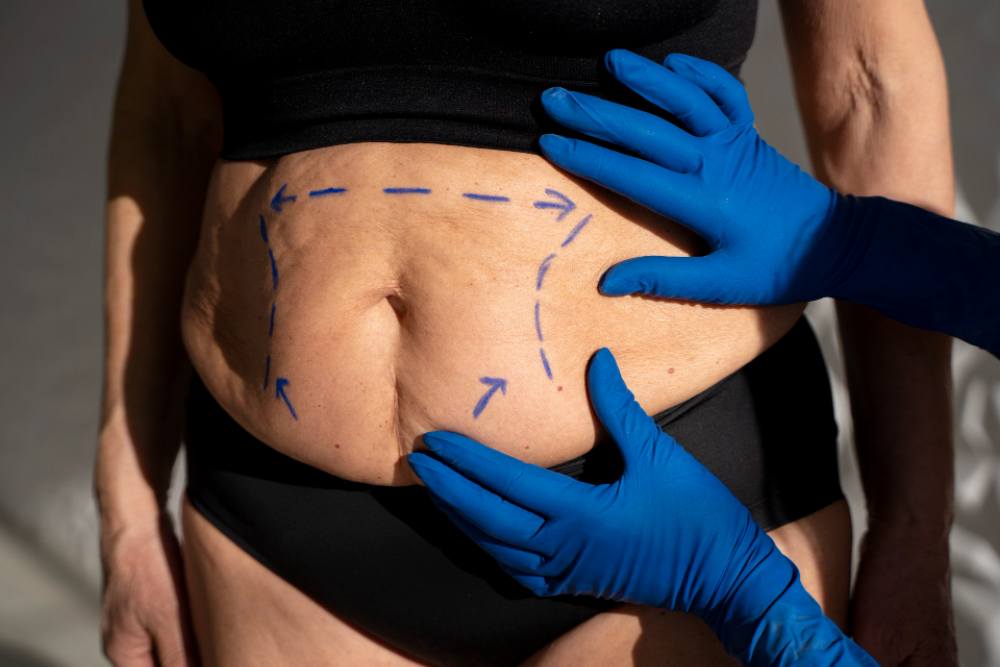
When it comes to achieving a flatter, more contoured abdomen, two options tend to come up most often in conversation: CoolSculpting and the tummy tuck. Both are widely sought after, and both can produce meaningful improvements in the appearance of the stomach. But beyond that shared goal, these two treatments are quite different in how they work, what they address, potential complications, and the experience of patients undergoing each procedure.
If you’ve been weighing Coolsculpting vs tummy tuck and aren’t sure which direction makes sense for you, you’re not alone. It’s one of the most common questions among adults exploring body contouring options throughout Princeton, NJ and the broader region. Understanding how Coolsculpting compares to a surgical tummy tuck can help you make a decision that genuinely fits your body, your lifestyle, and your goals.
What Is CoolSculpting?
CoolSculpting is a non-invasive body contouring treatment that uses a technology called cryolipolysis to target and eliminate stubborn fat cells beneath the skin. During a session, a specialized applicator is placed on the treatment area, in this case the stomach, and delivers precisely controlled cooling to the fat layer without affecting the surrounding skin or tissue.
The fat cells are frozen, and over the following weeks, the body naturally processes and clears them away, resulting in a gradual reduction in fat and a more sculpted silhouette.
As CoolSculpting involves no incisions, no anesthesia, and no recovery period, patients are typically able to return to their normal daily activities immediately after a session. Treatments are performed in-office and generally last between 35 to 45 minutes per area, depending on the size and scope of what’s being addressed.
Results are not immediate. Results develop progressively over four to twelve weeks as the body eliminates the treated fat cells. The results, however, are long-lasting, since the destroyed fat cells do not regenerate and adults do not make new fat cells after the age of about 18-years.
CoolSculpting is best suited for adults who are at or close to a healthy weight but dealing with specific pockets of stubborn fat that haven’t responded to diet and exercise. It is a fat reduction treatment, not a weight-loss solution, and it works most effectively when there is a defined, pinchable area of fat to target. These stubborn fat areas occur with age, following weight loss, pregnancy and sometimes previous surgery.
What Is a Tummy Tuck?
Tummy Tuck is technically called abdominoplasty, a cosmetic surgical procedure which firms and flattens the abdomen by removing excess sagging fat and skin while also tightening weakened or separated abdominal muscles. Unlike non-invasive treatments, a tummy tuck is a major surgical operation that requires general anesthesia. A surgeon removes unwanted skin and fat from the belly area and firms up the abdominal muscles in the process. The result is a flatter, firmer stomach with a more toned appearance overall.
Unlike CoolSculpting, a tummy tuck is a major surgical procedure. It requires incisions, typically made along the lower abdomen, and involves a meaningful recovery period that can last several weeks.
Patients are usually advised to take time off work, avoid strenuous activity, and follow detailed post-operative care instructions during the healing process which may include wearing a tight girdle. Swelling and discomfort in the weeks following surgery are normal parts of recovery.
A tummy tuck is generally recommended for patients who have significant loose or sagging skin in the abdominal area, often following major weight loss or pregnancy, as well as separated or weakened abdominal muscles. Because it physically removes excess skin and repairs the muscle wall, it can address concerns that no non-invasive treatment is able to correct.
Since the tummy tuck is an invasive procedure, serious complications can develop postoperatively. There can be bleeding, pain, fluid collections, swelling, infections, internal adhesions, scarring, uneven healing, and numbness at the incision site.
How the Two Treatments Differ
The most fundamental difference between CoolSculpting and a tummy tuck is what each one actually does to the body. CoolSculpting reduces fat. A tummy tuck removes skin, removes fat, and repairs muscle. These are distinct goals, and the right treatment depends entirely on which of these concerns applies to you.
If your primary concern is a stubborn layer of fat over an otherwise toned abdomen, and your skin has reasonable elasticity, CoolSculpting may be all you need. The treatment can produce a noticeably slimmer contour without any surgical risk or recovery time, making it an appealing option for people with busy lives and realistic, focused goals.
If, on the other hand, you have significant loose skin, the kind that hangs or folds and would not improve with fat reduction alone, a tummy tuck is likely the more appropriate solution. For patients whose abdominal concerns stem primarily from stretched or excess skin rather than fat alone, surgery offers results that non-invasive treatments simply cannot replicate.
Invasiveness and Recovery
This is often the factor that weighs most heavily in people’s decision-making, and understandably so. CoolSculpting requires no preparation beyond a standard consultation, no anesthesia, and no downtime. Most patients experience some temporary redness, numbness, or mild sensitivity in the treated area following a session, but these effects resolve on their own within days.
A tummy tuck, by contrast, is a significant surgical undertaking. Recovery typically involves several weeks of restricted activity, compression garments, drainage tubes in the initial days post-surgery, and follow-up appointments to monitor healing. The full results of a tummy tuck may not be visible for several months as swelling gradually subsides.
While many patients feel the outcome is well worth the recovery, it is important to go in with a clear and realistic understanding of what the process involves and the possible postoperative complications.
Results: What to Expect From Each Treatment
Both CoolSculpting and a tummy tuck can deliver meaningful, long-lasting improvements to the appearance of the abdomen, but the nature of those results and the timeline for seeing them, differ considerably.
With CoolSculpting, results develop gradually over the weeks following treatment as the body continues to process and eliminate the affected fat cells. Most patients begin to notice a difference around the four to six week mark, with the most significant changes becoming visible closer to the twelve-week point. Because the improvement unfolds naturally over time, the outcome tends to look subtle and organic rather than sudden or drastic.
With a tummy tuck, the structural changes are made during surgery itself. However, the visible results take time to fully emerge due to post-surgical swelling. It can take anywhere from three to six months, and sometimes longer, before the final outcome is clearly apparent.
Once healed, the results are typically dramatic and transformative, particularly for patients who have dealt with significant skin laxity or muscle separation for years.
It is worth noting that both treatments offer long-term results. In both cases, maintaining a stable weight is important for preserving the outcome over time.
FAQs
Can CoolSculpting replace a tummy tuck?
For some patients, yes — CoolSculpting can achieve results that make surgery unnecessary. However, this depends on the nature of your concerns. CoolSculpting is effective for fat reduction but cannot address loose skin or muscle separation, which are issues that only surgery can correct.
Is CoolSculpting safer than a tummy tuck?
Because CoolSculpting is non-invasive, it carries significantly fewer risks than a surgical procedure. There is no anesthesia, no incisions, and no risk of surgical complications. A tummy tuck, like any surgery, carries inherent risks including infection, scarring, adhesions and a more complex recovery.
How long do CoolSculpting results last compared to a tummy tuck?
Both treatments offer long-lasting results. CoolSculpting permanently eliminates the treated fat cells, while a tummy tuck removes excess skin and fat that will not return. In both cases, maintaining a healthy, stable weight is the most important factor in preserving your results long term.