Quick Summary
CoolSculpting can refine and reduce stubborn fat that remains after weight loss surgery once your weight has stabilized. It works best on localized areas such as the abdomen, love handles, and back. The treatment reduces pinchable fat but does not remove loose or hanging skin. A professional assessment can clarify if non-invasive body contouring suits your goals.

Weight loss surgery can create a major change in your health, mobility, daily comfort and self-esteem. Still, the number on the scale does not always tell the full story of how your body looks afterward. A CoolSculpting treatment after weight loss surgery may help refine smaller pockets of fat once recovery is complete and your weight has stabilized. It is not another method for losing a large amount of weight. Instead, it is a non-invasive option for shaping areas that may still look uneven despite your progress.
Some people notice fullness around the lower abdomen, love handles, or back after surgery. These areas may look out of proportion with the rest of the body, especially after a major reduction in overall size. CoolSculpting works on localized fat beneath the skin, so the goal is targeted refinement rather than a dramatic full-body change.
Why Stubborn Fat Can Remain After Surgery
As body weight decreases, fat cells become smaller, but the change may not happen evenly across every area. Genetics, age, hormones, and your previous fat distribution can influence where fullness remains. A healthier routine may support your long-term progress, yet it cannot control exactly where your body holds its final pockets of fat.
The abdomen is often one of the most noticeable areas after weight loss. A lower-belly pocket, pannus-area fullness, or fat along the waist may remain even after regular movement and balanced eating become part of your routine. Back fat can also stand out more once nearby areas become smaller. These details do not take away from the success of surgery, but they may affect how clothing fits or how balanced your shape appears.
How Fat Freezing Refines Localized Areas
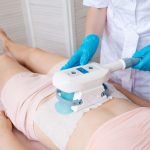
CoolSculpting treatment uses controlled cooling to target fat cells in a selected area. The applicator draws the tissue into position and exposes the fat layer to a managed temperature. Fat cells freeze and die at temperatures which do not harm surrounding tissues such as skin, muscle, nerves and blood vessels. Over time, the body processes away the affected cells, and the treated area develops a smoother, more proportionate contour.
This gradual process can appeal to people who do not want another operation after weight loss surgery. There are no incisions, and patients can usually return to ordinary activities after a session. Results develop over several weeks rather than appearing all at once. Treatment length and the number of applicators depend on the size, shape, and location of the fat pocket.
CoolSculpting Does Not Treat Loose Skin
It is important to separate leftover fat from loose skin. Major weight loss can leave stretched skin around the abdomen, waist, arms, or back. Fat freezing targets pinchable fat beneath the skin, but it does not remove hanging skin or repair stretched tissue. Surgical body contouring is the approach used to remove substantial excess skin after major weight loss.
A professional assessment helps clarify what is creating the fullness you see. In some cases, the concern is mostly a small fat pocket that may respond well to treatment. In other cases, excess skin is the main issue, and a surgical consultation may be more suitable. CoolSculpting is designed to reduce stubborn, localized fat rather than support general weight reduction.
When to Consider Treatment After Surgery
Your body needs time to recover before any cosmetic treatment is considered. Weight may continue to change for several months after surgery, so starting too early can make it harder to plan treatment accurately. Most people benefit from waiting until their surgeon has cleared them and their weight has remained stable for a reasonable period.
A stable weight also makes it easier to identify which areas are likely to remain. If the abdomen, love handles, or back still appear fuller after your overall size has settled, body sculpting may help create a more balanced outline. Your medical history, recovery progress, and current health should all be reviewed before moving forward.
What to Expect During a Consultation
A consultation begins with a discussion about your surgery, weight changes, and the areas you would like to refine. The provider will examine the tissue to determine if the concern is mainly localized fat, loose skin, or a combination of both. This distinction guides the treatment plan and helps set realistic expectations.
You may also discuss how many sessions could be needed and which applicators fit the treatment area. Some smaller pockets may require one session, while larger or more complex areas may need additional treatment. Photos can be taken before treatment so that gradual changes are easier to compare over time.
Results Develop Gradually
Fat reduction treatments do not create an instant change. The body needs time to process the treated fat cells, so early changes may appear within a few weeks. More visible improvement often develops over the following months as the area becomes smoother and less full.
This slower change can make the result look natural. Friends or family may notice that your clothes fit differently without immediately identifying that you had a treatment. The final outcome will depend on the amount of pinchable fat, the number of sessions, and how your body responds.
Supporting Your Results Over Time
CoolSculpting does not stop future weight gain. The treated fat cells are reduced, but the remaining cells can still expand if your weight increases. Maintaining the habits that supported your surgical results can help your body contour remain more consistent.
Regular movement, balanced meals, hydration, and follow-up care with your medical team can all support long-term progress. These habits are not about chasing perfection. They help protect the work you have already put into your health and make it easier to appreciate the refinements from treatment.
Choosing a Straightforward Treatment Plan
Body contouring after weight loss surgery should focus on your actual anatomy rather than a standard package. The best plan targets the areas that still feel out of proportion while respecting the changes your body has already gone through. Clear guidance can also help you avoid treating an area that is mostly loose skin or expecting fat freezing to replace surgery.
At Best Reflections, we take a straightforward approach to body sculpting. We review your goals, examine the areas you want to refine, and explain what treatment may realistically achieve. Our focus is on creating a plan that fits your body, schedule, and stage of recovery.
Weight loss surgery may have helped you make a major change, while CoolSculpting can address smaller details that remain afterward. If you are ready to discuss stubborn fat around your abdomen, love handles, or back, schedule a consultation with us.
FAQs
Can CoolSculpting replace weight loss surgery?
No, it targets localized fat and is not designed for significant weight loss.
How long should I wait after weight loss surgery?
Treatment should be considered only after recovery, medical clearance, and a period of stable weight.
Can CoolSculpting treat loose abdominal skin?
No, it reduces fat beneath the skin but does not tighten or remove substantial excess skin.