
Quick Summary
CoolSculpting® involves a pulling sensation and intense cold at the start, both of which quickly fade into numbness within minutes. Discomfort peaks briefly during the cooling phase, then drops off. Thinner-skinned areas including the flanks feel more intense than padded ones. Tingling, firmness, and mild soreness afterward are normal and usually resolve within two weeks.

For anyone with a body sculpting appointment on the calendar, or still deciding whether to book one, one question comes up before any other: does CoolSculpting® hurt?
Curiosity about pain is natural. People picture the process long before they sit in the chair, and that mental image is often more dramatic than reality. The sensations are specific; they follow a pattern and fade on a predictable timeline.
Let’s walk through what treatment feels like from the first minute to the days that follow, so the experience becomes something you can plan around rather than an unknown.
Does CoolSculpting® Hurt During the Treatment Itself?
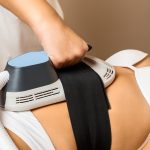
During the session, an applicator is placed on the treatment area. It uses controlled cooling to target fat cells beneath the skin. The first few minutes are the part people notice most. A pulling or suction sensation happens as the applicator draws the tissue in. Then comes an intense cold feeling that fades quickly as the area goes numb.
That numbness makes the rest of the appointment easy to sit through. Once the skin has adjusted, patients often read, work on a laptop, talk on the phone, or nap through the remaining time.
What You Might Feel at Each Stage of Treatment
Sensations shift as the appointment moves from start to finish. It helps to know what belongs to which stage.
- Application: A firm pulling feeling as the applicator engages the tissue.
- First 5 minutes: Intense cold, sometimes described as stinging or aching.
- The next 20 to 25 minutes: Numbness sets in, and discomfort drops off noticeably.
- Applicator removal: 2 minute massage of the area, which can feel tender and some people find uncomfortable .
- Immediately after: The treated area may feel firm or slightly sore to the touch.
Each stage passes fairly quickly. The pattern is consistent enough that patients often describe later sessions as more predictable than the first.
Is CoolSculpting® Painful for Sensitive Areas?
Some areas of the body respond a little differently than others. Areas with thinner skin or less padding, among them the flanks, back fat, and under the chin, can feel more intense during the cooling phase. Better-padded areas including the abdomen tend to feel more comfortable during treatment. That doesn’t mean discomfort is unmanageable. It usually settles into the same numbness pattern, just with a slightly longer adjustment period.
Pain tolerance also plays a role here. What one person calls uncomfortable, another might barely register. Patients considering CoolSculpting® in New Jersey often compare notes on which areas felt more intense than others, and that variation is normal from one body to the next.
Common Sensations After a CoolSculpting® Session
The hours and days after treatment matter as much as the appointment itself. Post-treatment effects are a normal part of how the body responds to the cooling process, not a sign that something went wrong.
Here’s what patients commonly report:
- Numbness: Can last several hours to a couple of weeks in the treated area.
- Redness or bruising: Typically mild and fades within a day.
- Tingling or itching: Often felt as sensation gradually returns.
- Cramping or aching: Usually resolves within one to two weeks.
- Firmness: The area may feel tight temporarily as swelling settles.
These effects are manageable without medication in most cases, though some patients find over-the-counter pain relief helpful in the first day or two. Anything that feels off beyond what is described here is worth raising with your provider rather than guessing.
Preparing for Treatment With Best Reflections
Best Reflections approaches every consultation with the goal of helping patients know what to expect before the applicator ever touches their skin.
Our team walks through your specific treatment area, talks about your comfort level, and explains what sensations are typical for that part of the body. This isn’t a one-size-fits-all process. A treatment plan built around your goals also considers your comfort during the session.
Patients who come in with questions about discomfort tend to leave their consultation feeling more at ease about the process. Talking through the sensations ahead of time reduces the uncertainty that can make any new treatment feel bigger than it needs to be.
What to Keep in Mind Before Your Appointment
Discomfort during CoolSculpting® is real, though it is brief and follows a consistent pattern for most patients. It is also far removed from what people associate with surgical procedures.
The initial cold sensation gives way to numbness. The numbness gives way. Any lingering effects afterward tend to fade within a day to a couple of weeks. Knowing the pattern ahead of time makes the whole experience easier to plan for.
To talk through what treatment might feel like for your specific goals, contact us today before deciding on your next steps.
FAQs
Is CoolSculpting® more painful in certain areas of the body?
Areas with thinner skin or less natural padding, among them the flanks and under the chin, tend to feel more intense during the cooling phase. The sensation still settles into numbness within several minutes, though the adjustment period runs a bit longer than in better-padded areas.
How long does numbness last after a CoolSculpting® session?
Numbness in the treated area can last anywhere from several hours to a couple of weeks, depending on the person and the treatment site. Sensation typically returns gradually, often accompanied by mild tingling as feeling comes back to the skin.
Can I go back to work right after a CoolSculpting® appointment?
Most patients return to their normal routine the same day, since the recovery process has no built-in downtime. Some soreness, firmness, or tenderness in the treated area is common afterward, but it rarely interferes with everyday activities including driving or sitting at a desk.
Is bruising normal after CoolSculpting® treatment?
Mild bruising or redness can appear in the treated area once the applicator is removed, and this is a normal response to the cooling and suction involved. It usually fades within a day, similar to how a bruise from a minor bump would heal.
Does the pain get worse with more CoolSculpting® sessions?
Discomfort tends to feel more familiar with each session rather than more intense, since patients already know what the cold and pulling sensations feel like. Many describe later appointments as easier to sit through simply because there’s less uncertainty going in.